


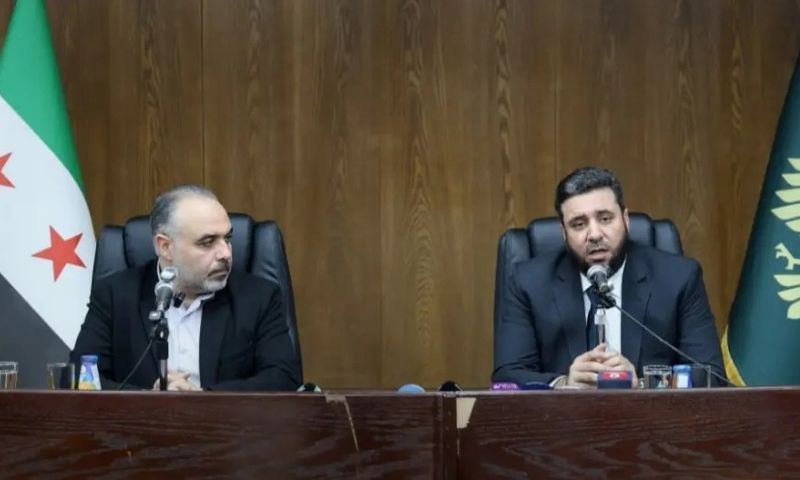
 Deputy Minister of Economy and Industry Maher al-Hassan at a press conference in Damascus, October 14, 2026 (al-Ikhbariya)
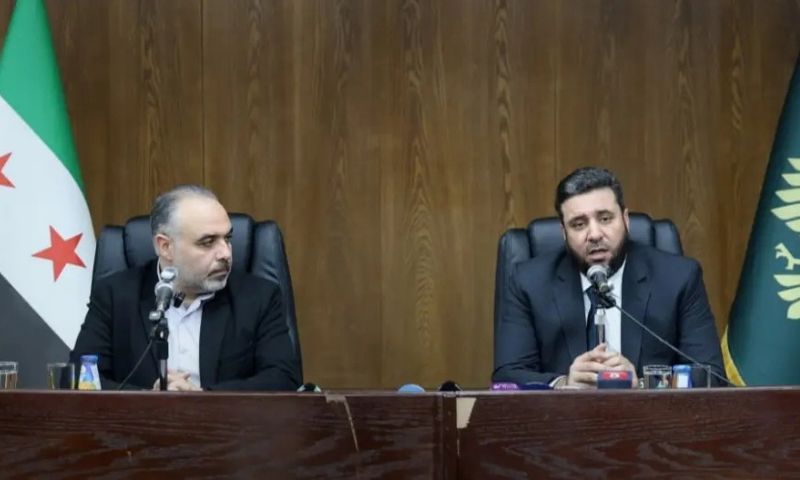
Deputy Minister of Economy and Industry Maher al-Hassan at a press conference in Damascus, October 14, 2026 (al-Ikhbariya)


 A
A
A
A
A
A
Deputy Minister of Economy and Industry Maher al-Hassan said Syria’s grain storage capacity did not exceed 1.2 million tons, while the relevant authorities received approximately 2.7 million tons last season. This forced them to store more than one million tons in the open, incurring additional costs and risks associated with weather exposure, storage, and fumigation.
Speaking on Wednesday, October 14, al-Hassan said the gap between the quantities received and available storage capacity had created challenges in preserving the harvest.
Al-Hassan made the remarks during a press conference at the Ministry of Information in Damascus. The conference reviewed the main achievements of the General Administration for Internal Trade and Consumer Protection, developments in the project to build grain silos and smaller storage silos, and the ministry’s plans to improve administrative procedures and electronic systems.
Al-Hassan explained that the ministry is working to strengthen staff skills and improve working conditions while upgrading infrastructure and introducing digital systems. These efforts aim to improve institutional performance, simplify procedures, and provide better services to citizens.
He added that a new electronic system for the Intellectual Property Protection Directorate is in its final stages and is currently being tested ahead of its launch in the coming days, with the aim of improving procedures for service users.
In the grain and bakery sector, al-Hassan said an integrated system was beginning to be rolled out, linking the grain intake platform with delivery queue registration, weighbridge operations, and purchasing software. The system is intended to integrate procedures and improve the efficiency of crop intake and purchasing.
According to the announced figures, available storage capacity was less than half the quantity received by the relevant authorities last season, standing at no more than 1.2 million tons against approximately 2.7 million tons of grain received.
This gap led to the use of open-air storage, which al-Hassan said entails additional costs and risks associated with weather exposure, storage, and fumigation.
In May, Enab Baladi reported on the condition of grain storage facilities in Hasakah governorate (northeastern Syria), one of Syria’s main wheat-producing areas.
Hassan al-Othman, director of the Syrian Grain Establishment, said at the time that the governorate had eight main silos, alongside a total of 34 smaller silos, storage centers, and open-air storage sites. He noted that five main silos and 19 smaller silos and centers were out of service because of damage sustained in previous years.
The establishment adopted alternative storage methods, including open-air storage and ground-level warehouses, while working to rehabilitate damaged facilities and expand capacity to accommodate crops during the marketing season.
In April and May, the deputy economy minister conducted field visits to follow preparations for building new silos to receive wheat from the 2027 harvest, alongside preparations for open-air storage centers to supplement the new silo network.
In July, the Syrian Grain Establishment reopened the Adra silos (Damascus countryside, southwestern Syria), which have a total storage capacity of 200,000 tons, after they had been out of service since 2012.
The Syrian Grain Establishment also improved readiness at numerous centers ahead of the agricultural season at the time. It repeatedly pointed to storage capacity challenges caused by stocks from the previous season remaining in some silos and warehouses.
It also transferred portions of those stocks to other governorates to free up additional space and receive the new harvest.
if you think the article contain wrong information or you have additional details Send Correction









 More Economic Reports