


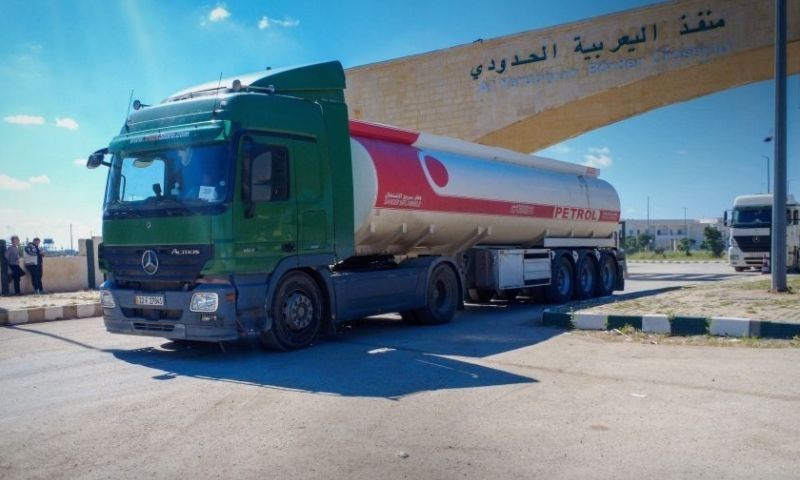
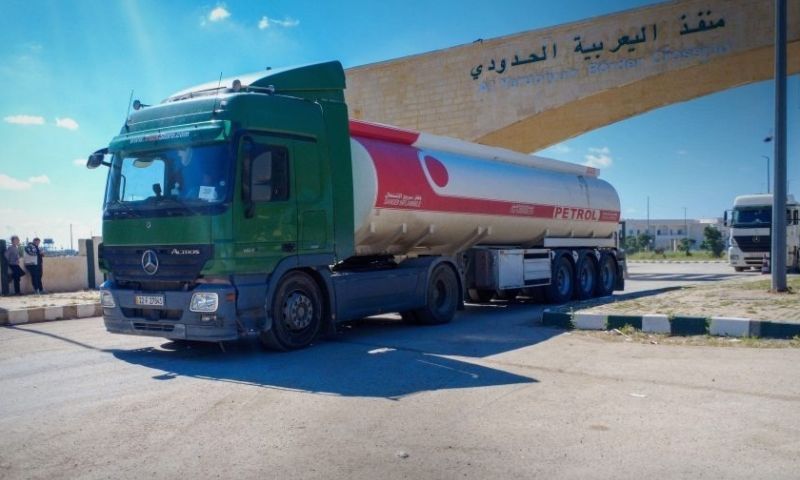
 Al-Yarubiyah-Rabia border crossing between Syria and Iraq, August 6, 2026 (SANA).


 A
A
A
The Federation of Syrian Chambers of Commerce announced that the Iraqi government has agreed to ease entry visa procedures for Syrian traders classified in the excellent, first, and second categories, in a move the federation said aims to facilitate business travel and strengthen trade between the two countries.
In a letter published on its official social media accounts on Monday, November 2, the federation explained that the new measures followed its efforts to remove obstacles facing Syrian traders and support their activities in foreign markets.
The federation said the move could open broader opportunities for cooperation between Syrian and Iraqi business communities and strengthen direct communication between businesspeople, supporting the establishment of joint partnerships and investments.
According to Syria’s official news agency, SANA, Anas al-Bou, head of the Foreign Relations Committee and a board member of the Federation of Syrian Chambers of Commerce, said traders would be able to benefit from the new measures through letters of recommendation issued by the federation. He called on Syrian chambers of commerce to inform eligible traders of the decision and coordinate with the federation to issue the documents required to complete visa procedures.
Al-Bou added that the measures build on previous economic meetings and discussions between the two countries, translating mutual understandings into practical steps to support trade and investment.
Iraq’s approval comes amid intensified economic engagement between Syria and Iraq in recent months, including official discussions between the two countries, the reopening of border crossings, and agreements to strengthen cooperation between commercial institutions. These efforts aim to increase the movement of goods and facilitate their access to markets.
On August 26, Alaa al-Ali, president of the Federation of Syrian Chambers of Commerce, met with Amer al-Fahdawi, president of the Federation of Iraqi Chambers of Commerce, to discuss ways to strengthen economic and commercial cooperation and expand investment and partnership opportunities between the two countries.
The meeting, held in Damascus, addressed the importance of revitalizing trade, increasing bilateral trade volumes, encouraging joint investment, and connecting businesspeople and companies in both countries, according to SANA.
On August 28, al-Ali and al-Fahdawi signed a memorandum of understanding between the Syrian and Iraqi chambers of commerce federations on the sidelines of the 63rd Damascus International Fair. The agreement aimed to stimulate trade, strengthen direct communication between the two business communities, and encourage joint investments and partnerships.
According to statements issued at the time, the memorandum seeks to expand economic and commercial cooperation, make use of available business opportunities in both countries, and strengthen Syria and Iraq’s positions as trade and economic partners.
The new visa measures address one of the issues raised during previous discussions between the two sides. Syrian-Iraqi meetings in August covered visa procedures, obstacles to the movement of goods, ways to speed up customs procedures, and measures to facilitate trade flows.
The Syrian Ministry of Economy also met with al-Fahdawi in Damascus on August 26 to discuss bilateral trade, the challenges it faces, possible solutions, and ways to strengthen coordination between chambers of commerce and business representatives.
These developments coincided with the reopening of several border crossings between Syria and Iraq. On April 2, Lieutenant General Omar Adnan al-Waeli, head of Iraq’s Border Ports Authority, announced the reopening of the al-Walid border crossing with Syria after more than 11 years of closure.
The crossing saw the entry of tanker trucks carrying fuel oil from Iraq into Syria. Al-Waeli said reopening the crossing aimed to revive commercial and passenger traffic and strengthen economic cooperation between the two countries.
Iraqi authorities had also announced plans in February to rehabilitate the Rabia border crossing, which was subsequently reopened. They said the reopening represented a step toward strengthening trade with Syria and increasing transit traffic through Iraqi territory.
On September 8, Alaa al-Din al-Qaisi, spokesperson for Iraq’s Border Ports Authority, said trade between Syria and Iraq had reached its highest levels. He noted that Iraq was exporting oil to Syria by tanker truck, with approximately 1,500 trucks traveling daily and another 1,500 returning, providing economic activity for around 3,000 truck drivers and their families.
Al-Qaisi added that Iraq continued to export construction materials and sulfur to Syria while importing vegetables and other Syrian products.
Regarding truck traffic through border crossings, the al-Bukamal crossing recorded the passage of 140,145 commercial trucks by the end of August, carrying more than 460,000 tons of goods, according to figures released by Syria’s General Authority for Ports and Customs on September 3.
On September 27, Iraq’s Border Ports Authority announced an agreement with Syria to establish direct communication channels between border crossings in the two countries to exchange information and coordinate efforts to address obstacles affecting commercial operations.
The agreement included coordination on the electronic exchange of customs data and stronger cooperation between the relevant border authorities to ensure the smooth movement of trade and trucks between the two countries.
The visa measures come as both countries seek to expand commercial relations. Trade involves not only transporting goods across border crossings but also facilitating travel for traders, company owners, and investors, allowing them to oversee import and export operations, explore cooperation opportunities, and conclude trade agreements directly.
The newly announced measures currently apply to Syrian traders in the excellent, first and second categories. The Federation of Syrian Chambers of Commerce will issue the required letters of recommendation in coordination with the relevant chambers to complete visa application procedures.
if you think the article contain wrong information or you have additional details Send Correction








 More Economic Reports