

Enab Baladi, Noura Kassem
With memorandums of understanding yet to reach implementation and Arab companies beginning to explore the Syrian market, the real estate development sector is trying to move forward amid administrative and legislative challenges.
These challenges include investment conditions that remain unclear, licensing procedures that need streamlining to facilitate developers’ work, and legislation that needs updating to reduce the risk of future disputes between contractors and investors.
Two experts who spoke to Enab Baladi while attending the IREX 2026 real estate development conference, which concluded on Wednesday, October 21, said the real test for investment would begin when those memorandums become actual contracts, alongside simpler licensing procedures and updated regulations governing the sector.
Exploring the Market
Arab real estate developers are exploring Syria’s investment environment rather than hesitating over whether to invest, according to Ayman al-Najjar, secretary-general of the Arab Union for Investment and Real Estate Development, which is affiliated with the Council of Arab Economic Unity.
Al-Najjar told Enab Baladi that the market’s characteristics and investment conditions were not yet fully clear. Many projects remain at the memorandum-of-understanding stage, and the actual challenges will emerge when these memorandums become contracts and projects ready for implementation.
He also pointed to the entry of major Arab companies, including Emirati firms, into the Syrian market, reflecting interest in the opportunities offered by the country’s real estate development sector.
Calls for a One-Stop Shop
Administrative procedures are among the obstacles facing real estate developers, according to al-Najjar, who stressed the need to activate a “one-stop shop” system for issuing licenses and completing project-related paperwork.
Al-Najjar said that moving toward digital government services and allowing licensing procedures to be completed online would facilitate developers’ work, reducing reliance on paperwork and the need to visit multiple government agencies.
He added that developers need a single authority through which they can complete the required procedures, saving time and reducing administrative complications by eliminating the need to move between the institutions involved.
Avoiding Disputes
Alongside administrative obstacles, legislation and contracts governing real estate development need updating to reduce the risk of future disputes between contractors and investors.
Dr. Abdul-Rahim Sabouni, an expert in construction arbitration and a board member of the Arab Union for Investment and Real Estate Development, told Enab Baladi that attracting investment requires updating legislative and contractual frameworks and working to prevent disputes that could arise between contractors and investors during project implementation.
Sabouni pointed to efforts by the Engineers’ Syndicate, ministries and other relevant bodies to update legislation. He said these efforts, together with the scale of the available opportunities, offered grounds for optimism about the future of Syria’s real estate development sector.
Modern Cities
Investment opportunities in Syria extend beyond rebuilding damaged areas. Sabouni said developing new residential communities and modern cities offers another path, allowing investors to start with a “blank slate.”
This approach provides scope to apply modern construction technologies, build smart and sustainable cities, and develop urban plans that account for the long-term needs of different groups in society.
Al-Najjar said sharing expertise among Arab countries is one of the union’s objectives, particularly drawing on Gulf countries’ experience in developing smart and sustainable cities.
IREX Discusses Opportunities in the Sector
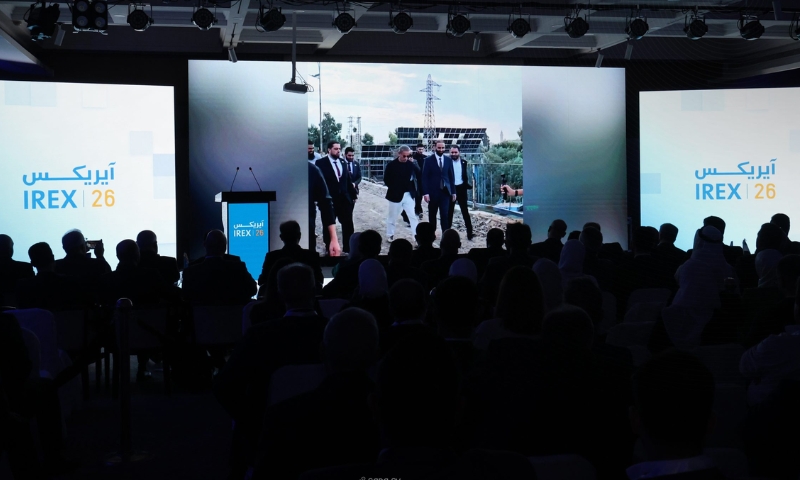
The two experts spoke while participating in the second edition of the International Forum for Real Estate Development and Engineering and Construction Companies, IREX 2026, held in Damascus on October 20 and 21 under the slogan “Let’s Build Syria Together.”
The forum brings together experts, officials, investors, and Arab and local companies to discuss ways to advance real estate development, update legal and legislative frameworks, and improve the investment environment, as well as examine Syria’s infrastructure and construction needs.
According to information released about the forum, more than 200 local and international companies representing 11 countries are participating in its second edition, alongside figures and experts working in real estate and construction.