


 SDF commander Mazloum Abdi, January 25, 2026 (Ronahi)
SDF commander Mazloum Abdi, January 25, 2026 (Ronahi)
Mazloum Abdi, commander of the Syrian Democratic Forces (SDF), said the ceasefire agreement with the Syrian government was reached under US sponsorship, and that his forces would use the truce period to make practical progress on the January 18 agreement.
In an interview with Ronahi TV, a channel close to the SDF, on Sunday, January 25, Abdi said dialogue with Damascus is ongoing and that other details will be discussed. He added that once the ceasefire period expires, both sides will move toward serious steps for integration.
The Syrian Ministry of Defense announced a 15 day extension of the ceasefire between the Syrian government and the Syrian Democratic Forces (SDF), starting on January 24, after the end of the four day deadline.
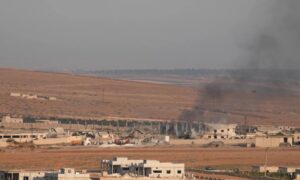
A state of “cautious calm” is prevailing on the front lines of al-Hasakah Governorate (northeastern Syria) as the ceasefire extension begins, amid continued military reinforcements on one side and worsening humanitarian and service needs in areas under newly established government control on the other.
Abdi said the SDF proposed names for the posts of assistant defense minister and al-Hasakah governor, adding that there is no agreed list yet.
He considered that all parties want political solutions away from militarization, and described the results so far as positive. He said channels of dialogue and negotiations with the Syrian government remain open under international sponsorship.
However, Abdi said that until a political solution is reached, the SDF will continue to resist and protect its areas.
Regarding the Syrian army’s takeover of al-Raqqa and Deir Ezzor governorates (eastern Syria), Abdi said the SDF’s withdrawal was intended to spare bloodshed and avoid escalation.
“We asked the Damascus government not to enter Kobani (Ayn al-Arab, northern Aleppo countryside), and they agreed, and we hope they will abide by this,” Abdi said, pointing to what he described as many violations against Kurds in al-Raqqa, al-Tabqa (western Raqqa countryside), and other areas after government forces took control.
He stressed that all those responsible for violations would be held accountable through legal channels, and called for avoiding racism or sectarianism.
Abdi said “there are international efforts to de escalate, and their success depends on Damascus and its implementation of our demands,” adding that the United States, across its political and military institutions, is participating in the negotiations, along with French President Emmanuel Macron.
He also spoke about external Kurdish support, saying, “We have support from Kurdish leaders in the Kurdistan Region, Iraq, and Turkey at this sensitive stage.”
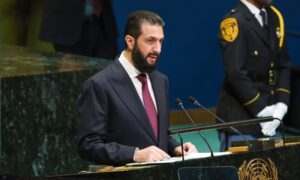
Transitional Syrian President Ahmed al-Sharaa announced on January 18 that a ceasefire agreement had been reached between the Syrian government and the Syrian Democratic Forces (SDF).
According to the Syrian presidency, the agreement included the following points:
if you think the article contain wrong information or you have additional details Send Correction



 A
A
A
A
A
A


 More Politics