


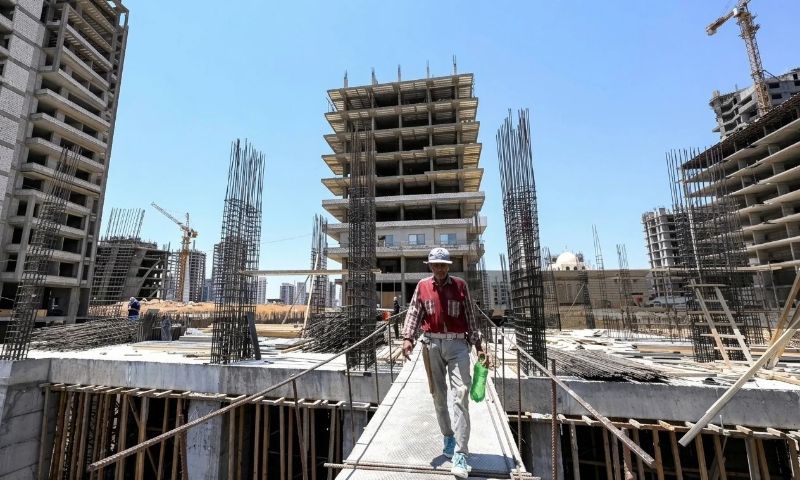
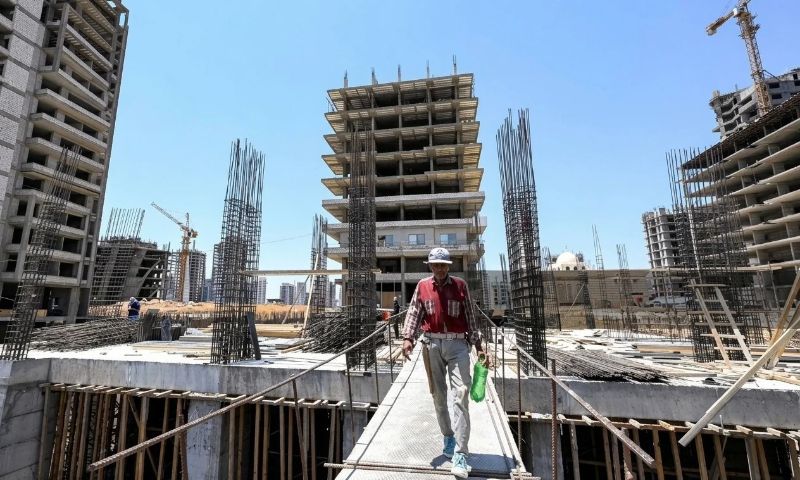
Syria’s Property Rules: Protecting Savings or Restricting the Market?


 A
A
A
Enab Baladi, Wasim al-Adawi
A. A., a Syrian expatriate living in a Gulf country who hopes to reconnect with his homeland, stared at his phone in disbelief as the plans he had been considering suddenly evaporated.
He had been planning to invest his money in a property development aimed at middle-class buyers, drawing on the expertise and partnerships of several Syrian businesspeople through a Syrian chamber of commerce. They were best placed to assess financing options, locations and risks.
But the answer that eventually came from an old friend at the chamber was firm and discouraging: “We cannot organize any exhibition or marketing activity for the project without prior approval from the Syrian Investment Agency, and there are conditions we must meet.”
The setback, which A. A. described to Enab Baladi on condition that his name be withheld, reflects a broader situation affecting the property sector after the Syrian Investment Agency issued Circular No. 36 to provincial chambers of commerce and industry in early October.
The agency says the circular aims to regulate property investment, verify that all legal approvals have been obtained, and protect those dealing in the market from misleading practices. It also raises questions about the limits of government oversight, the additional costs imposed on companies, and what these restrictions mean for attracting domestic and foreign investment.
Amid this uncertainty, A. A. asked bitterly: “If my project, designed for middle-class buyers, faces all these administrative complications, did the major investors behind luxury developments targeting the extremely wealthy obtain the Investment Agency’s approval to advertise their projects? What conditions did they meet? Did they even approach the agency or submit applications?”
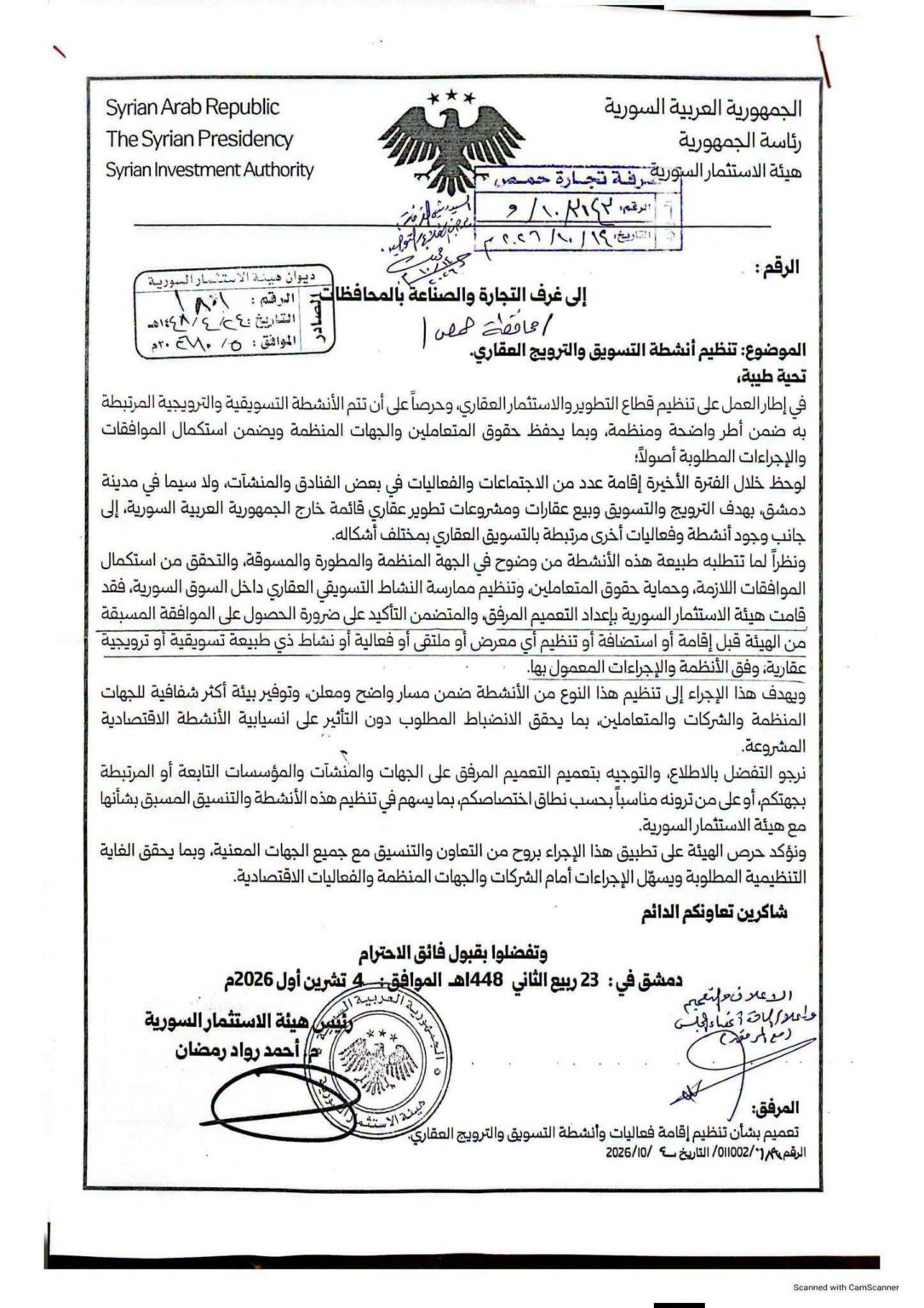
A Syrian Investment Agency circular requiring businesspeople and industrialists to obtain prior approval before organizing property investment conferences and activities, October 4, 2026 (Homs Chamber of Commerce)
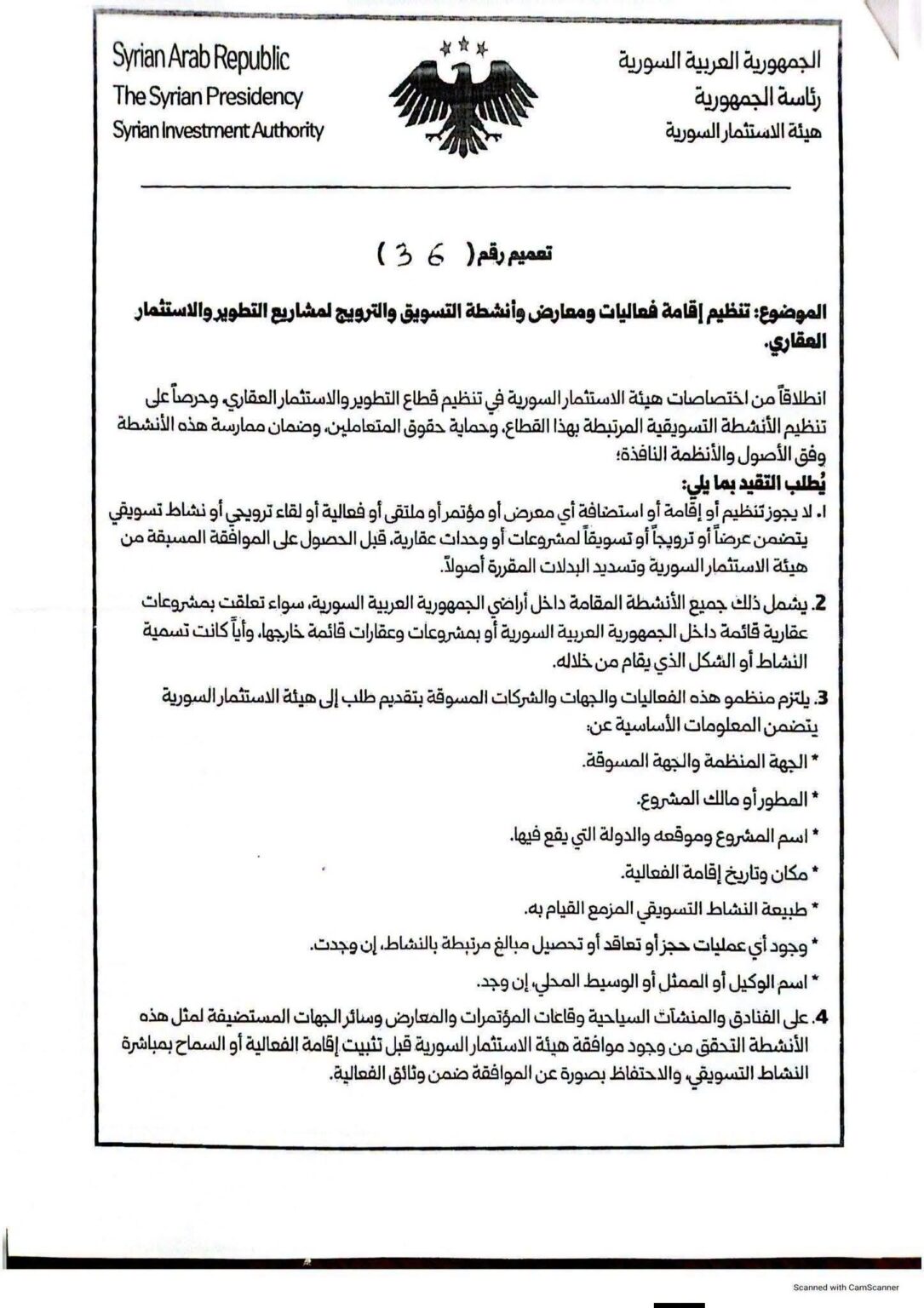
A Syrian Investment Agency circular requiring businesspeople and industrialists to obtain prior approval before organizing property investment conferences and activities, October 4, 2026 (Homs Chamber of Commerce)
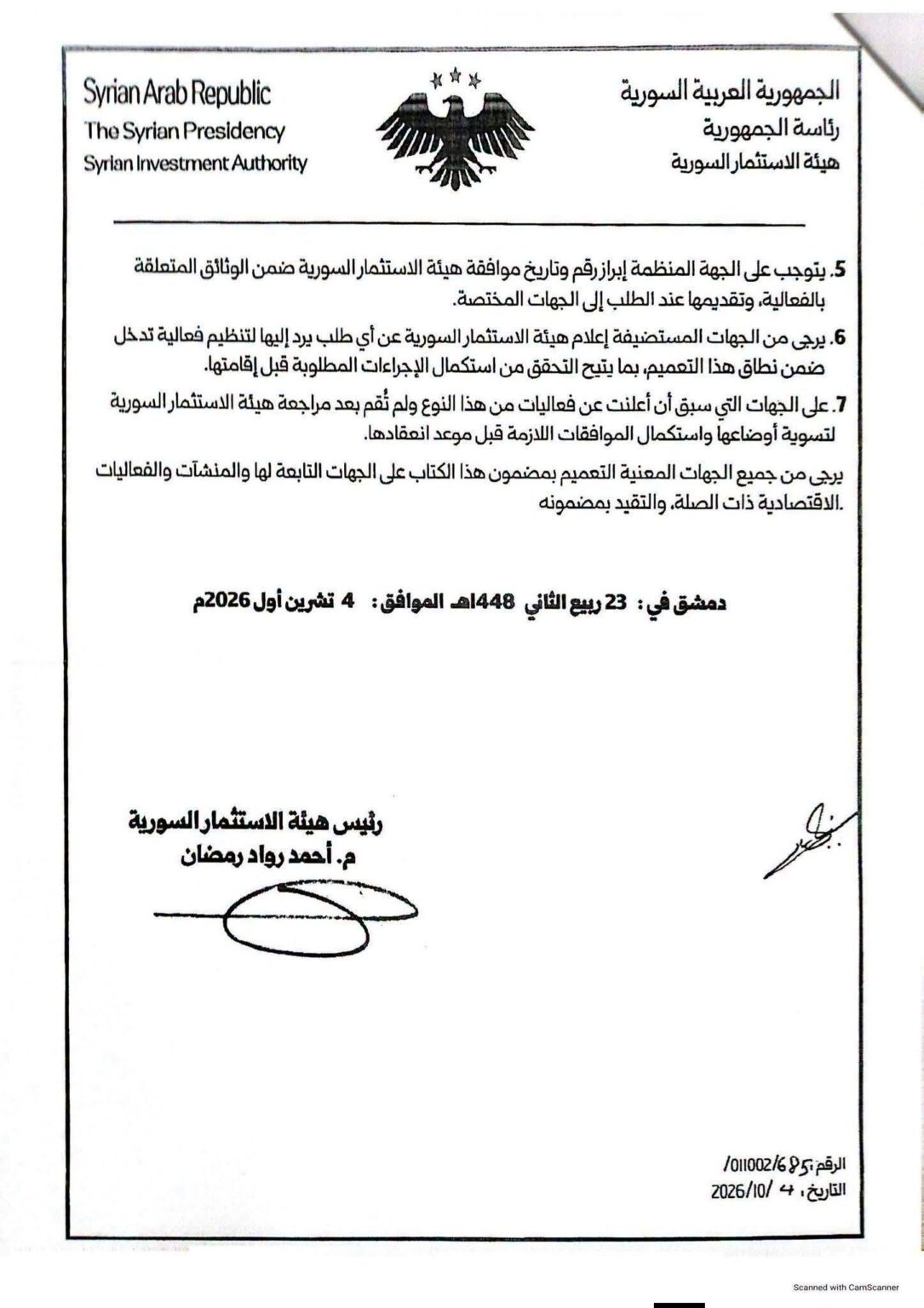
A Syrian Investment Agency circular requiring businesspeople and industrialists to obtain prior approval before organizing property investment conferences and activities, October 4, 2026 (Homs Chamber of Commerce)
Prior Approval Covers Projects Inside and Outside Syria
The circular stipulates that “no exhibition, conference, forum, promotional meeting or marketing activity involving the presentation or promotion of real estate projects or units may be organized, held or hosted before obtaining prior approval from the Syrian Investment Agency and duly paying the prescribed fees.”
The measure covers all events held within Syrian territory, regardless of their name or format, and whether they concern property developments inside Syria or projects located abroad.
It also requires organizers and marketing entities and companies to submit an application providing information about:
– The organizer, the marketing entity, and the property developer or project owner.
– The project’s name, location and country.
– The event’s venue and date, and the nature of the marketing activity.
– Whether the activity involves reservations, contracts or the collection of funds.
– The name of any local agent, representative or broker.
The measure also applies to hotels, tourism establishments, conference and exhibition halls, and all other hosts. They must verify that the agency’s approval has been obtained before confirming an event or allowing marketing activities to begin, and retain a copy of the approval in the event’s records.
For A. A., the Syrian Investment Agency’s circular raises questions about the limits of oversight of property investment projects, its costs for companies, and its implications for attracting domestic and foreign investment.
Expert: The Aim Is to Turn Investment Into Real Projects
Economist Dr. Suleiman Shaaban believes regulating property marketing is linked to protecting people’s savings and overseeing investment activity. He warns, however, that administrative procedures could become an obstacle to competition or an additional burden on exhibition organizers and companies.
Speaking to Enab Baladi, the economist said the circular’s success would be measured not by the number of events subject to approval, but by its contribution to strengthening confidence in the market and turning announced investments into viable projects.
These requirements could help regulate the information circulated about property developments. Their impact, however, depends on how they are implemented and how clearly the approval procedures and criteria are defined.
Comparing the rules governing property investment in Saudi Arabia and the United Arab Emirates, the Syrian expatriate who spoke to Enab Baladi said neither market imposed obstructive restrictions or prohibited property investment. Instead, he said, they provided regulation and security and legal oversight that benefited both investors and the market, alongside substantial, highly attractive incentives.
Protecting People’s Savings From Property Promises
Shaaban said the circular’s importance stems from economic conditions that lead many people to view property as a way to preserve their savings or generate future returns. This makes it more important to verify the information marketing companies provide.
He added that marketing campaigns may present attractive projects without giving buyers sufficient information about:
– Land ownership.
– The project’s legal status.
– Permits.
– The developer’s financial capacity.
– The time required for completion.
According to the economist, risks arise when someone pays to reserve a home or buy into a development that has not obtained all its approvals, or whose developer lacks the financing needed to meet its commitments.
In such cases, potential losses are not limited to individuals. They can undermine confidence in the property market and influence the decisions of serious investors.
The economist nevertheless distinguishes between regulating the market and monopolizing marketing activity. He believes the state has the right to verify that projects meet legal requirements, provided this does not exclude marketing, exhibition and conference companies qualified to operate legally.
Shaaban believes achieving this balance requires:
– Verifying projects’ legal status.
– Publishing approval criteria and processing times.
– Applying the same rules to domestic and foreign companies.
Together, these measures would make protecting people’s savings the central purpose of regulation.
Administrative Fees: Regulation or an Additional Cost?
Alongside the requirement for prior approval, the Syrian Investment Agency’s circular requires payment of the prescribed fees. This raises questions about their effect on the cost of organizing property exhibitions and events.
Shaaban believes these fees should primarily be treated as administrative charges for services provided, rather than a means of increasing revenue at the expense of investment activity.
In his view, their financial significance for the treasury cannot be assessed without knowing “their amount, the basis on which they are imposed, the entity receiving them, and the revenue they are expected to generate.”
At the same time, he warns that high or unclear fees could increase the cost of Syrian companies’ participation in exhibitions abroad and discourage small and medium-sized companies from organizing events. Some of these costs could also be passed on through property prices.
Increasing the cost of promotion outside Syria would not necessarily shift activity to the domestic market. Instead, it could reduce marketing activity overall or move some of it into channels that are harder to oversee.
Dr. Suleiman Shaaban proposes:
– Adopting publicly announced fees proportionate to the services provided.
– Setting a deadline for decisions on applications.
– Simplifying procedures while distinguishing between event organization costs and fees imposed on the investment itself.
Project Information Is Not Enough Without Verification
Shaaban considers the requirement for organizers to submit detailed project information an important step toward greater transparency. He stresses, however, that this information must not become mere paperwork completed to obtain approval.
The inclusion of “disclosure requirements” in the circular does not, in itself, establish that specific cases of fraud have occurred. It can instead be understood as a preventive measure allowing the relevant authorities to identify the nature of the projects and activities being promoted.
The economist identifies four areas that verification should cover:
– Legal status: Checking that the required approvals have been obtained, that the land’s legal status is sound, and that the project complies with approved permits and plans.
– Capacity to deliver: Verifying the developer’s financial standing and funding sources, and whether the project’s scale is proportionate to its resources.
– Collection of funds: Clarifying the legal basis for reservations or purchases into a project, refund conditions, delivery dates and the safeguards available to buyers.
– Access to information: Publishing reliable information about projects, their legal status, construction progress and the approvals they have obtained.
Shaaban proposes establishing an official online database that would allow people to verify basic information before making any payments and help curb exploitation through misleading advertising.
He stresses that a registered company or a recognized business name does not necessarily mean a project is viable. Securing land and permits alone does not guarantee that the financing needed to complete construction and deliver the units is available.
Since the fall of the former Syrian regime in late 2024, Damascus and the Damascus countryside (southwestern Syria) have been waiting for a series of announced property investment projects to materialize. Yet the market suffers from a lack of regulation. Developments have been launched with apartment prices affordable only to the wealthy, requiring financial resources far beyond those of the average Syrian.
While apartment prices in the Yaafour 963 development, launched by Invest Group Overseas (IGO), owned by Syrian-Emirati businessman Moafaq Al Gaddah, start at $300,000, around 90% of Syrians live below the poverty line and 65% experience extreme poverty, according to a 2025 United Nations Development Programme report.
if you think the article contain wrong information or you have additional details Send Correction
النسخة العربية من المقال
-
Follow us :







 More Economic Reports
Most viewed
- Syria Details $199 Million Highway Rehabilitation Project
- Syrian citizenship turns into ‘curse’ tracks those with dual nationality
- One Killed as Syrian Security Forces Clash With French Fighters in Idlib
- Syria Announces Release of 57 Prisoners Transferred From Lebanon
- Lebanese Army Detains 139 Syrians at Northern Border