
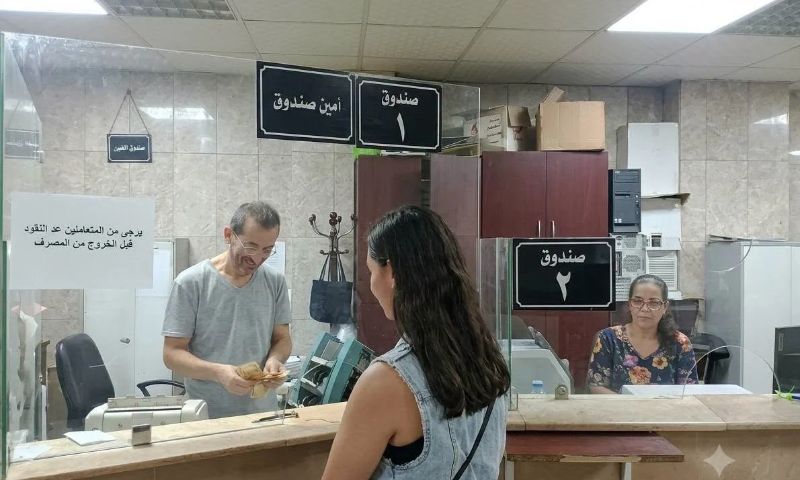

The Central Bank of Syria issued a decision granting greater flexibility in handling foreign currency remittances and transactions involving commercial and investment companies.
The decision, published by the Central Bank on Thursday, November 26, includes the following provisions concerning remittances:
-
Receiving remittances in their original currency: The full value of a remittance is credited to the beneficiary’s account in the foreign currency in which it was received, without automatic conversion into Syrian pounds.
-
Withdrawing funds: Beneficiaries can withdraw remittances in cash in the same foreign currency.
-
Transferring funds: Beneficiaries can transfer funds abroad or between their accounts at banks operating in Syria.
-
Retaining foreign currency: Beneficiaries are free to retain all or part of the remittance in their accounts in foreign currency.
-
Managing remittance funds: Beneficiaries can exchange remittances for Syrian pounds or another foreign currency according to their preferences and the exchange rate applicable on the transaction date.
-
Expanded foreign exchange services: Banks can expand their foreign currency buying and selling services to meet the legitimate needs of individuals and companies, in accordance with their approved policies.
-
Beneficiaries’ right to choose: Remittances reach beneficiaries in their original currency, allowing them to decide how to use the funds without being required to convert them into Syrian pounds.
Foreign Currency Regulations for Imports and Exports
Regarding foreign currency transactions involving commercial and investment companies, the decision includes several regulatory provisions:
-
Imports and exports of goods and services: Regulating foreign currency transactions associated with international trade.
-
Inward foreign investment: Allowing resident and nonresident legal entities to open current and investment accounts.
-
Incoming and outgoing commercial payments: Regulating foreign currency transfers, including incoming and outgoing payments associated with commercial transactions.
-
Buying and selling foreign currencies: Allowing foreign currency purchases and sales for commercial purposes through operating banks.
-
Greater flexibility in foreign currency transactions: Providing companies with broader banking options for managing their commercial transactions and foreign currency payments.
The Central Bank said the two decisions provide beneficiaries and companies with broader options for handling remittances and foreign currencies. They also regulate bank financing for individuals, enterprises, and economic activities under specific rules that take into account the nature of transactions and the criteria for granting financing.
Central Bank Updates Financing Rules for Individuals and Companies
The Central Bank of Syria also issued a separate decision addressed to operating banks and microfinance institutions concerning bank financing to support individuals and economic activities.
Regarding financing for individuals and enterprises, the decision requires the following:
-
Consumer financing: Providing individuals with bank financing to purchase goods and obtain services, based on their income levels and repayment capacity.
-
Supporting small and microenterprises: Providing access to financing to purchase assets, equipment, and inputs needed to launch and develop businesses.
Regarding housing finance and financing for economic activities, the decision requires the following:
-
Housing finance: Providing bank financing to purchase, build, or renovate homes, based on criteria related to property value, beneficiaries’ income, and their ability to repay.
-
Financing companies and productive activities: Regulating the provision of credit facilities for commercial, industrial, service, productive, and investment activities.
Regarding trade financing and banking facilities, the decision allows the following:
-
Import financing: Allowing imports to be financed in Syrian pounds or foreign currencies under regulations ensuring that funds are transferred directly to foreign suppliers.
-
Indirect banking facilities: Regulating the provision of bank guarantees, letters of credit, and bankers’ acceptances to support companies’ transactions and commercial activities.
According to the Central Bank, the decision establishes clear financing criteria based on assessments of creditworthiness, income, cash flows, and repayment capacity, while strengthening oversight to ensure that financing is used for its intended purpose.
Immediate Measures to Improve Banking and Financing Services
The decision comes two days after Central Bank of Syria Governor Safwat Raslan held a meeting with the chief executives of public and private banks and microfinance institutions to discuss the challenges facing their operations and possible measures to address them.
Raslan said on his personal Facebook page at the time that several decisions and measures had been adopted during the meeting and would take effect immediately, bringing tangible and rapid improvements to banking operations and services provided to citizens.
He also pointed to efforts to grant banks greater flexibility in managing their operations and making decisions while strengthening their accountability and adherence to governance and transparency standards.